

Post date
11 Apr 2025 (original LinkedIn date)
Original
LinkedIn version· 1,441 words

Yesterday, I spoke about the urgent challenges facing our businesses and communities, not abstract threats looming in 2050 or distant targets, but material risks hitting us now. From extreme weather to failing soil health, these are interconnected crises that demand our attention today. Yet, alongside these challenges lie practical, scalable solutions - nature-based interventions that can restore resilience and deliver compelling returns. Let me begin with a powerful call to action from those at the heart of one of our most vital industries.
An open letter from the UK Food Industry
“We are writing as professionals within some of the UK’s biggest food producers, manufacturers, and retailers. Most of us have decades of experience and hold or have held senior professional roles across a range of functions in UK food businesses accounting for more than half of UK grocery sales. We are releasing this memo because we have reached a moment of threat to food security like none other that we have seen. Yield, quality, and predictability of supply from many of our most critical sourcing regions is not something we will be able to rely upon over the coming years. The data on degrading soil health, water scarcity, global heating, and extreme weather events back up what we are seeing from within the system: an interconnected set of crises. These crises will have a meaningful commercial impact on our businesses…”
This open letter, penned by senior leaders in the UK food and grocery sector, isn’t just a warning - it’s a giant wake-up call. These are the businesses (y)our pension funds rely on, and they’re sounding the alarm about cascading risks that threaten their viability. Food security is just one lens through which we see these challenges. Let’s unpack the broader picture and explore how we can turn risk into resilience.
The material risks we face today
Businesses and communities are grappling with both direct and transition risks that are already reshaping commerce. Direct risks include extreme weather, declining crop yields, and reduced productivity. Transition risks—such as technological disruption, climate litigation, and shifting policies—are equally disruptive. The common thread? Nature, or rather, our complete failure to value it.
Consider flooding, a stark example of a direct risk. The Environment Agency’s latest flood models, as detailed in a March 2025 Public First report, estimate that 4.6 million properties in England are at risk from groundwater flooding—rainfall that falls faster than the ground can absorb. This is distinct from river or tidal flooding and has surged by 43% year-on-year. By mid-century, one in four properties in England could face flood risk, up from one in six today. In 2025 alone, storms like Bert and Darragh evacuated communities, disrupted transport, and caused millions in damages. The report notes that flooding costs the UK £2.4 billion annually in property and infrastructure damage, projected to rise to £3.6 billion by 2050 without intervention. Beyond immediate costs, flooding disrupts workplaces for an average of 10 days per event, leading to £290 million in lost output yearly, and exerts a decade-long economic drag worth £6.1 billion, reducing employment by 46,000 jobs.
But it’s not just wet weather. Extreme weather has two tails. Drought is equally punishing. In March 2025, the Rhine River—a critical European trade artery—hit record seasonal lows, halving shipping capacities and inflating freight costs. Meanwhile, wildfires rage in my native Scotland, a highly unusual occurrence at the best of times, let alone for mid-April. These events underscore a unifying issue: water, the lifeblood of our planet, is out of balance.
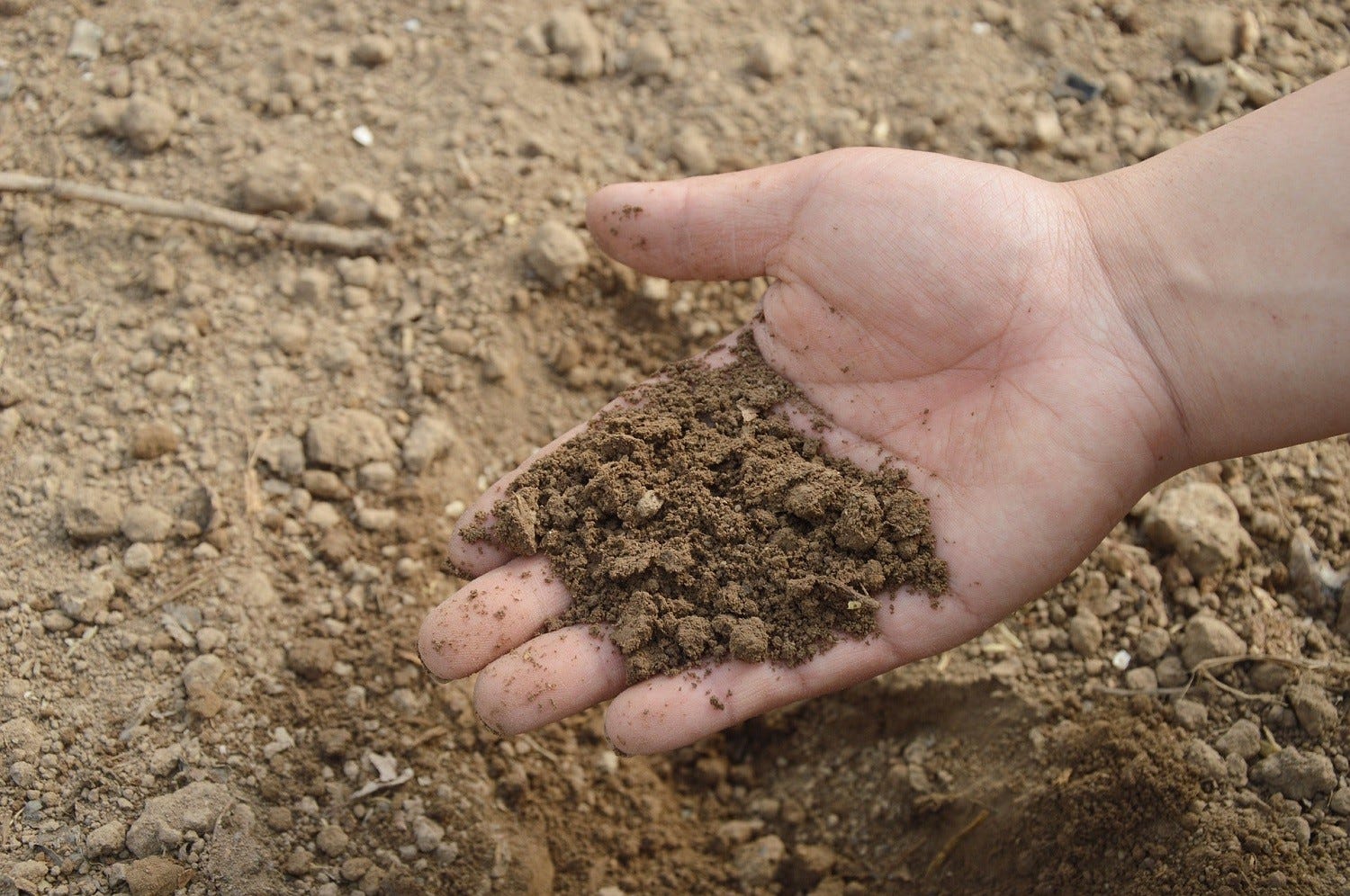
Soil, too, is in crisis. The Public First report highlights public concern over poorly maintained drainage systems, which exacerbate flooding when water can’t penetrate concrete-heavy landscapes. Yet healthy soil is a natural sponge. A 1% increase in organic matter across a single acre can boost water retention by 20,000 gallons. Soil stores 10 billion tonnes of carbon in the UK alone—equivalent to a year of global emissions—and hosts over 25% of Earth’s biodiversity in a single teaspoon. Globally, it provides $75 trillion in ecosystem services annually. Yet, we lose topsoil 40 times faster than nature can replenish it, with 30 football pitches vanishing every minute. Since 95% of our food depends on healthy soil, this degradation threatens not just agriculture but the entire economic food chain.
The economic blind spot: undervaluing nature
The issue isn’t that we don’t value nature - it’s that our economic system assigns it a zero value. According to the S&P Global CERAWeek insights from March 2025, physical risks like storms, floods, and droughts are already disrupting supply chains and operations across sectors. Their analysis of 2,800 companies found that 34% of global corporate revenue faces high physical risk exposure, with 90% of firms dependent on water-intensive supply chains vulnerable to disruption. Apparently half of global GDP, around $44 trillion, is moderately or highly dependent on nature, per the World Economic Forum - I think it’s more like 100%. The Public First report echoes this, as does work from the GFI and Oxford and Reading universities, warning that unaddressed environmental risks could slash UK GDP by 12%—worse than the 11% drop during COVID or the 6% hit from the 2008 financial crisis. Unlike those crises, recovery from nature’s decline is likely to be far slower.
Marine capital has collapsed by 45% per person over the past 25 years, and renewable natural capital - like forests and fisheries - has also declined 22%. These aren’t abstract losses. They manifest as higher costs, supply chain bottlenecks, and reduced resilience. The food industry’s open letter points to soil degradation and water scarcity as immediate threats to supply predictability. When the Rhine’s low levels disrupt shipping, or when floods close UK motorways like the M5, businesses feel the pinch today, not in 2050.
Nature-based solutions offer a practical path forward
The good news? We have solutions at hand - nature-based solutions (NBS) that can restore resilience and deliver economic benefits. Planting trees, restoring peatlands, or “rewiggling” rivers to slow and hold water flow can mitigate flooding, enhance soil health, and sequester carbon. The Public First report underscores their value: every £1 invested in flood defences prevents £8 in damages, with £3 of that directly saving public infrastructure like roads and hospitals. Maintenance is even more efficient; every £1 spent on upkeep saves £7 in new defences required. The Leeds Flood Alleviation Scheme, completed in 2024, protects 4,000 homes and 1,000 businesses, unlocking £774 million in economic growth and 3,000 new jobs by blending structural and natural flood management.
Nature isn’t just a fix - it’s business-critical infrastructure. Unlike grey infrastructure, which depreciates, green infrastructure appreciates over time. Restored wetlands filter water, reducing treatment costs. Healthy soils boost crop yields, stabilising food supply chains. The S&P Global Sustainable1 report highlights that companies like Nestlé are integrating water stewardship into operations, cutting risks and costs. A UK study cited in the Public First report suggests that mandating Sustainable Urban Drainage Systems (SuDS) for new housing could curb flood risks from unchecked development- over 7,000 new homes are approved on floodplains, fuelling public skepticism about housing plans.
Scaling NBS requires investment, but the returns are compelling. A 2% allocation of capital to nature as an asset class from pensions like yours and mine could unlock £100 billion in the UK, fostering portfolios of projects that deliver environmental, social, and financial gains. This isn’t about ESG optics. It’s about resilience. The Public First report recommends a minimum of £1.5 billion annually for flood risk management, up from £1.3 billion, to maintain assets and deploy new solutions. Devolving funds to local authorities and tracking resilience via the National Infrastructure and Service Transformation Authority (NISTA) could ensure impact.
A transition to resilience
This won’t happen overnight. It’s a transition journey, but one we can start today. The Public First report reveals that 66% of UK adults doubt the country’s preparedness for flooding, and 68% expect central government to lead. Sadly in my flood rescue work, I’ve seen the sharp end of that, and it’s not pretty. It’s more than just sad for those on the receiving end, it’s devastating. Businesses, too, must act—integrating nature into risk models as S&P Global Sustainable1 urges, where only 10% of firms currently link physical risks to financial impacts. The food industry’s letter shows leaders ready to confront these truths. By valuing nature as critical infrastructure, we can protect communities, stabilise commerce, and build an economy that thrives through resilience, not in spite of it.
The risks are here now - flooded homes, disrupted supply chains, degraded soils. But so are the solutions. Let’s invest in nature, not just to save it, but to save ourselves.