Post date
7 Nov 2024 (original LinkedIn date)
Original
LinkedIn version· 607 words

My trip to South America didn’t finish with the end of negotiations At CBD COP16 in Cali. Inspired by the travels of naturalist and polymath Alexander von Humboldt, I took the opportunity to head south to Ecuador to fulfil a lifelong dream of climbing volcanoes in Ecuador.
Big chunks of Ecuador are currently tricksy to visit - the FCDO in fact advises against all but essential travel for nearly half the country, and travel insurance can be invalidated on the way to the Galapagos Islands if you stay more than one night in Guayaquil, for example. But the exploration undertaken by von Humboldt and his companions couldn’t have been much easier some 200+ years ago.
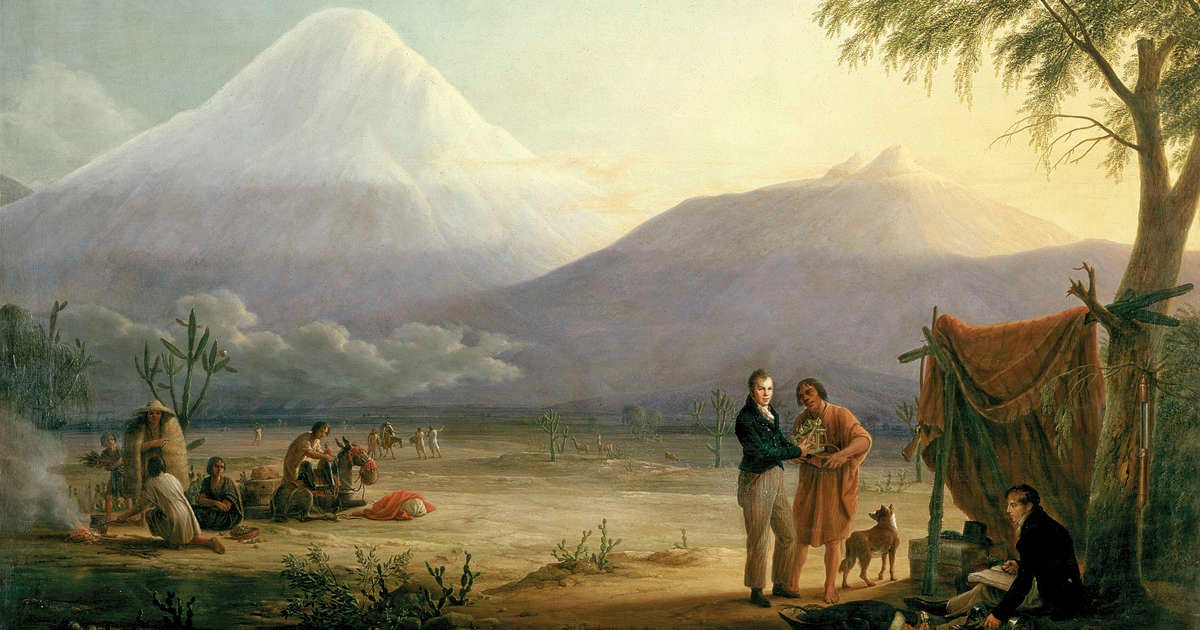
His journey through New Granada (as Colombia and Ecuador were then known as part of the Spanish Empire) revealed to von Humboldt the concept of Naturgemalde, the interconnectedness of all nature.
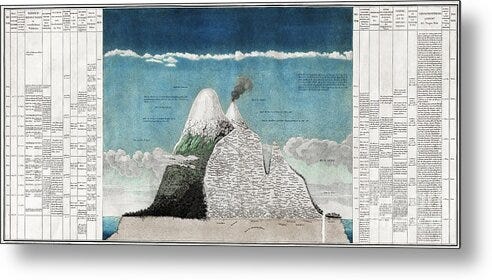
Still today, Ecuador remains rich in biodiversity of all kinds, from Amazonian tropical rainforest, through the aforementioned Galapagos Islands that so inspired Darwin, to the breathtaking Avenue of the Volcanoes, a majestic stretch along the Andes with towering volcanoes and the rich biodiversity of the paramo.
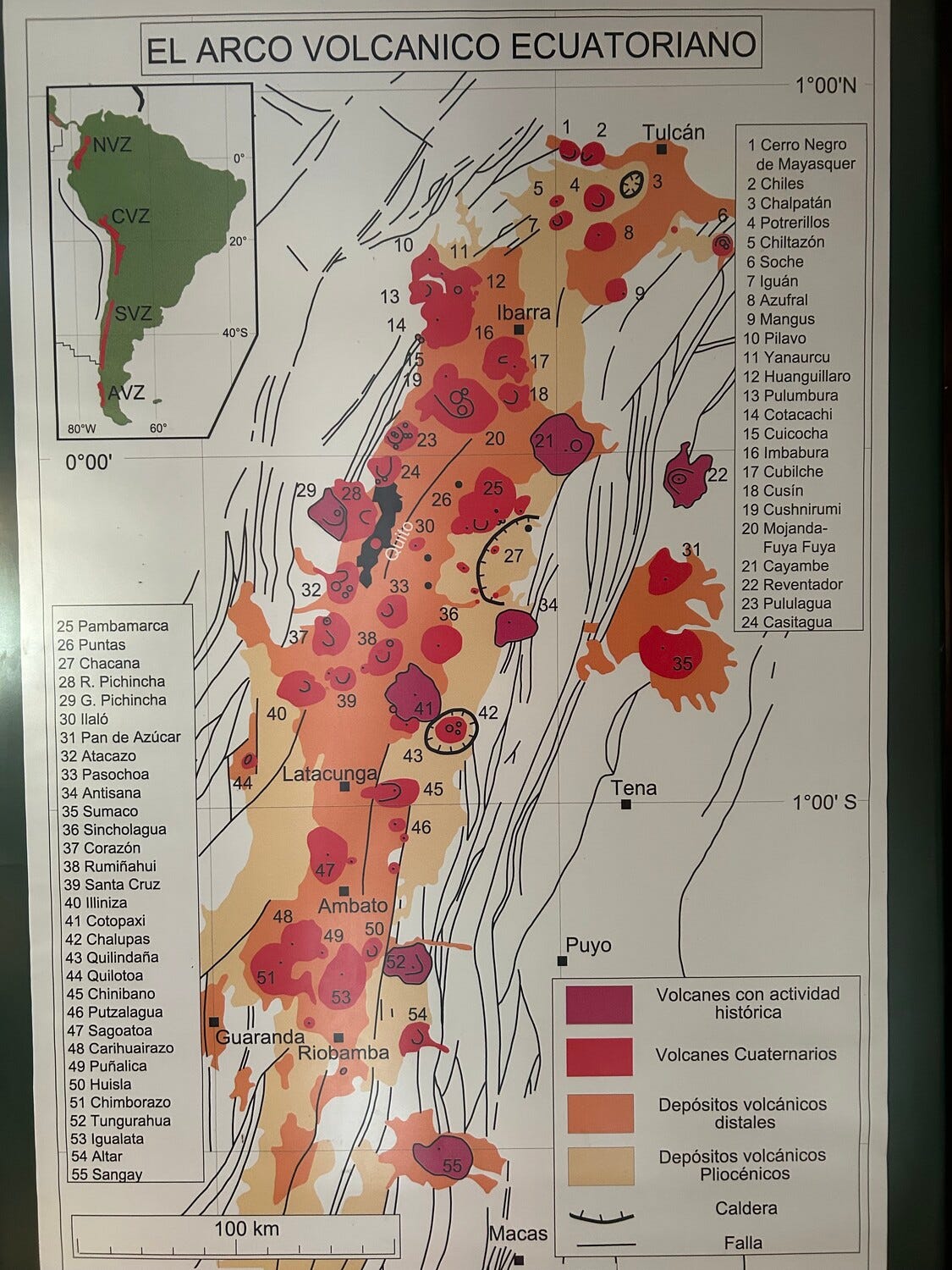
It is easy to see today what inspired von Humboldt all those years ago!
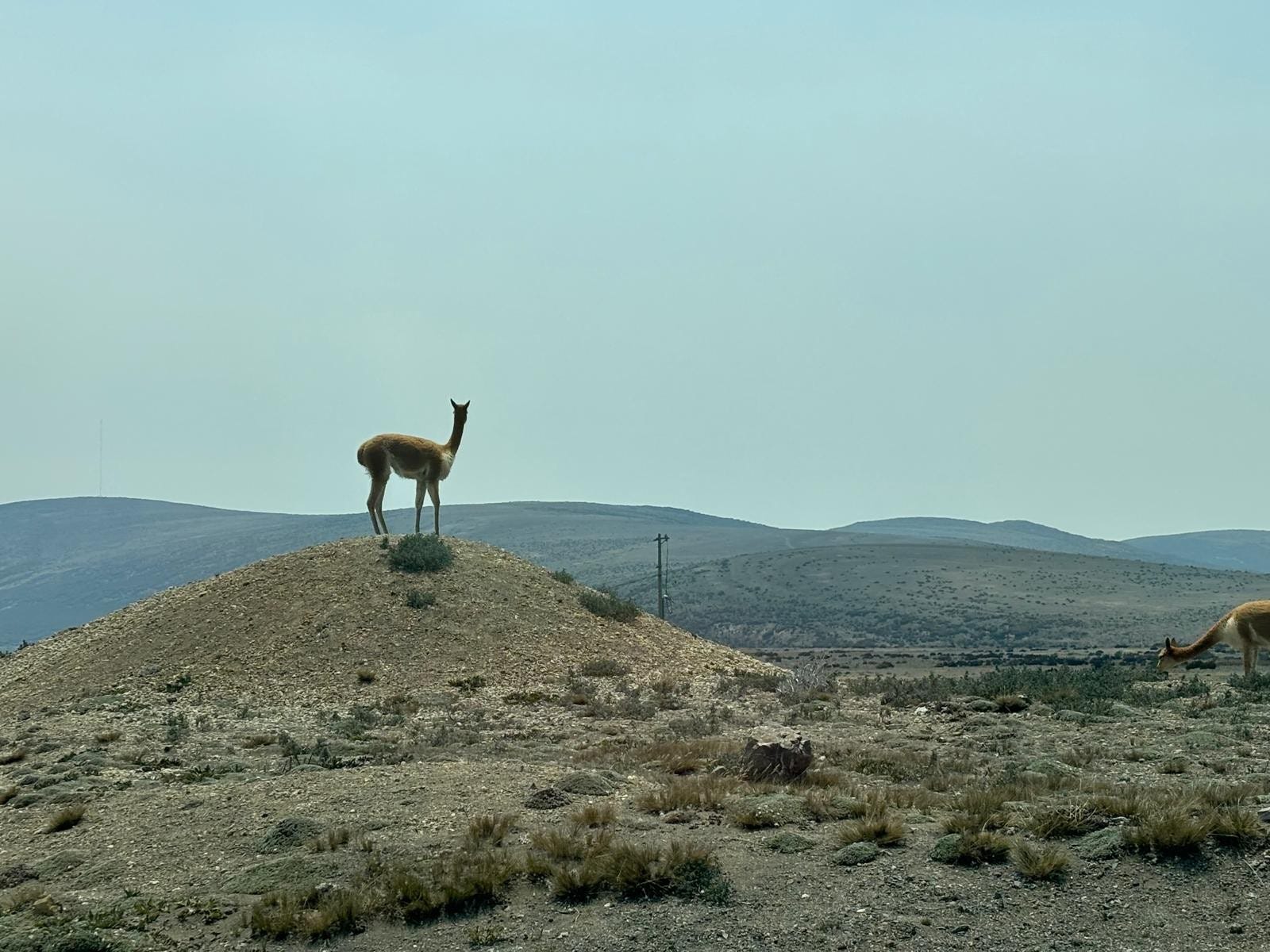
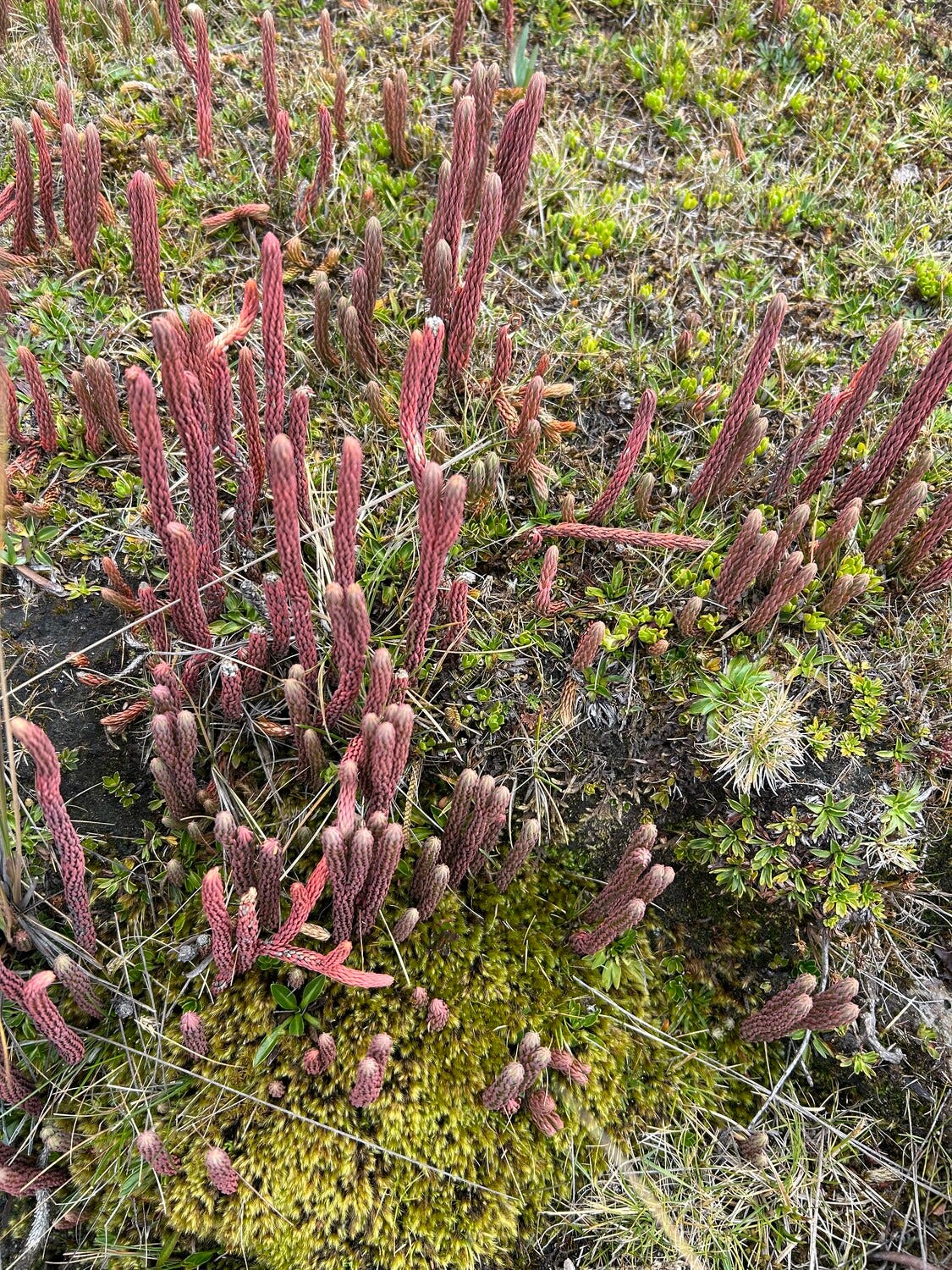
We began our acclimatisation, with a gentle trek up Pasochoa at 4,200m. Although heavily impacted by human activity, mainly farming, the Páramo has the richest high-mountain flora in the world. It supports both the endangered spectacled bear and Andean mountain tapir, and other charismatic mammals found here include the Andean fox, mountain coati, long-tailed weasel, and guinea pig (not that we actually encountered any of these!).
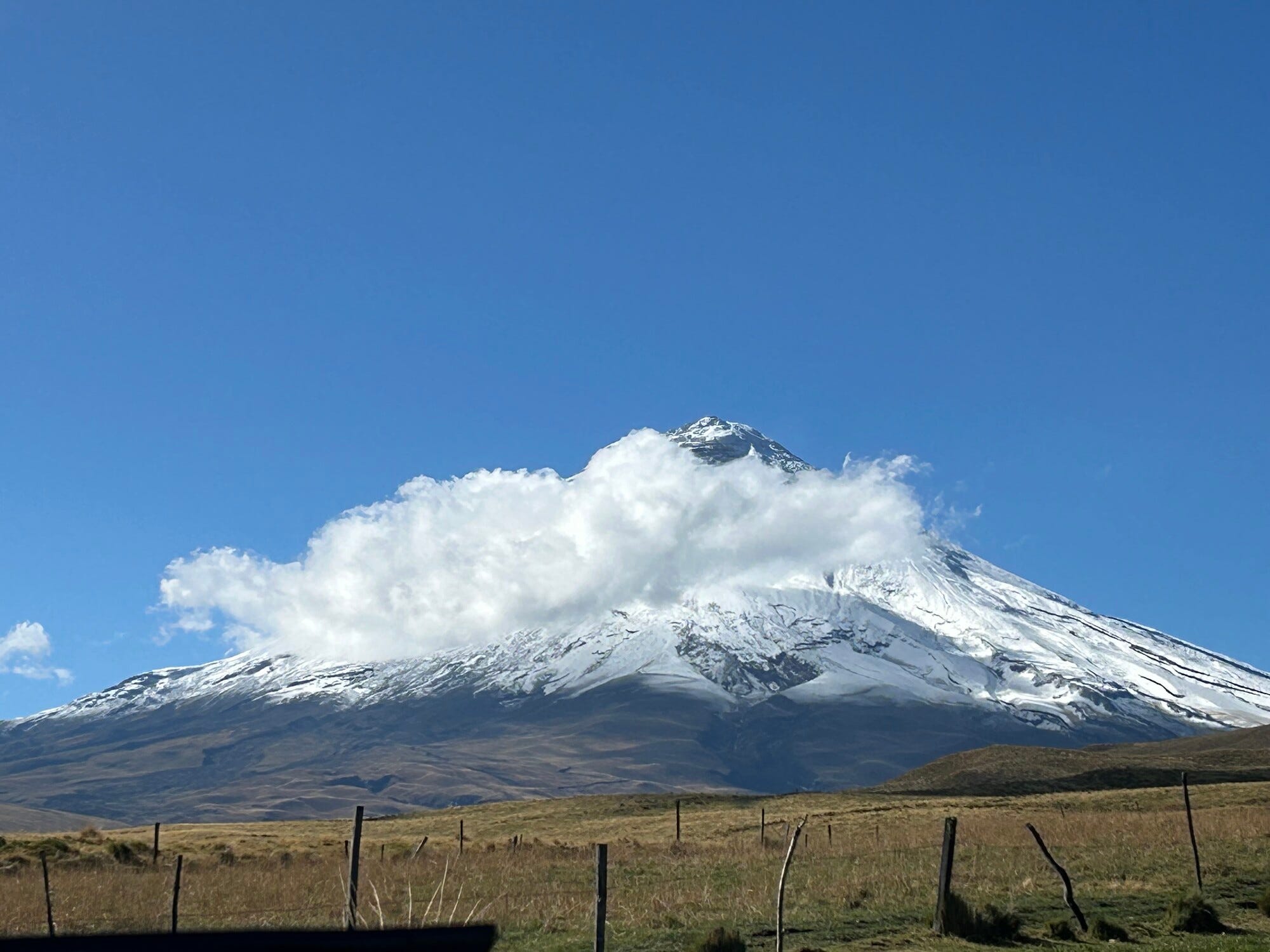
From there we upped our exposure to higher altitude with a climb up Illiniza Norte at 5,248m, which sits majestically alongside its more technically difficult sister, Illiniza Sur. The former likely lost its glacier some 80-odd years ago, while the glacier on the latter has been in retreat for decades, not helped by nearby eruptions and ash clouds, in addition to global warming.
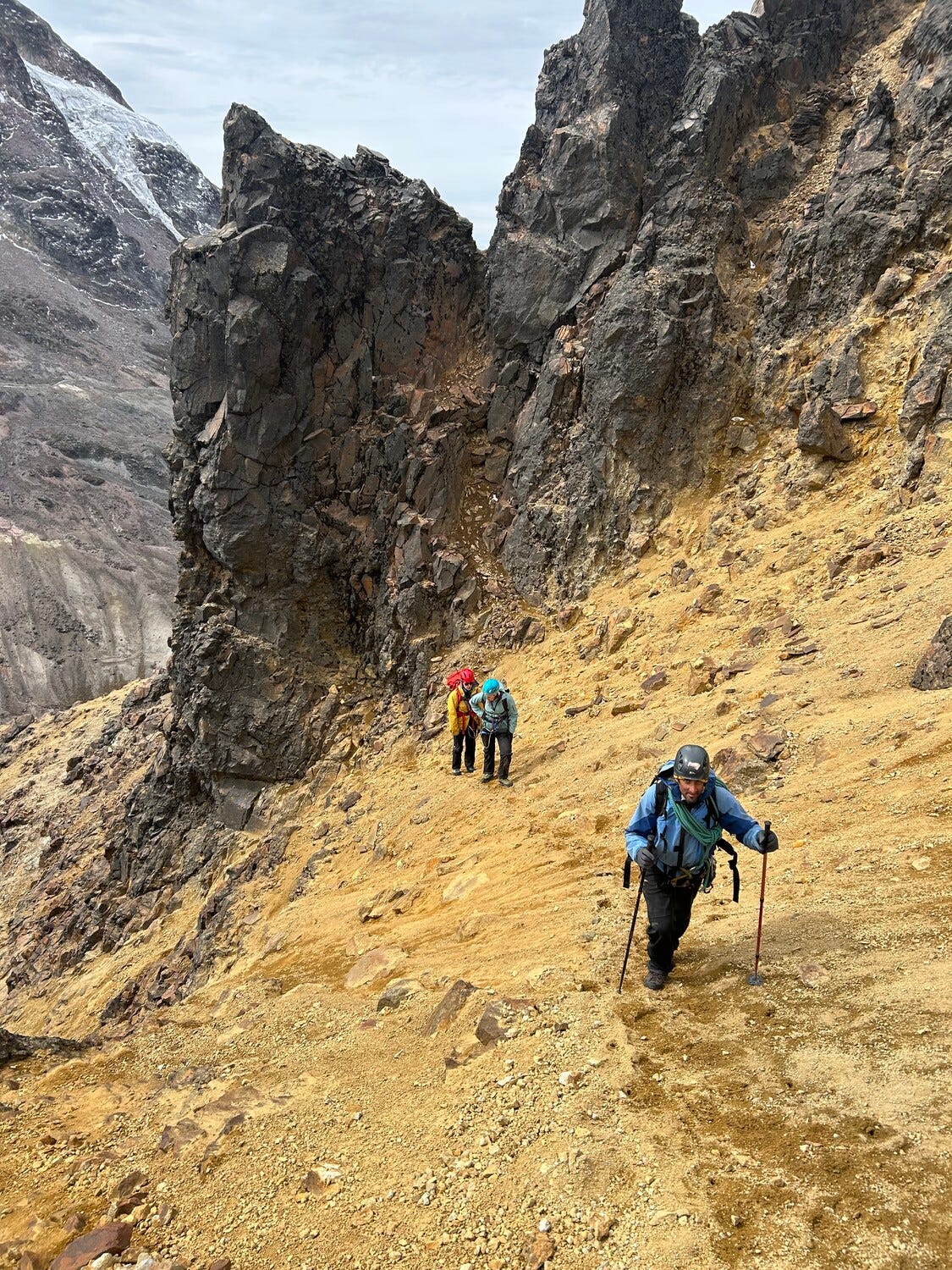
Following the dictum of ‘climb high, sleep low’ is critical to preparing the body for the thinner air at altitude, but no matter how much preparation, I always struggle trying to move at normal pace in the high mountains.
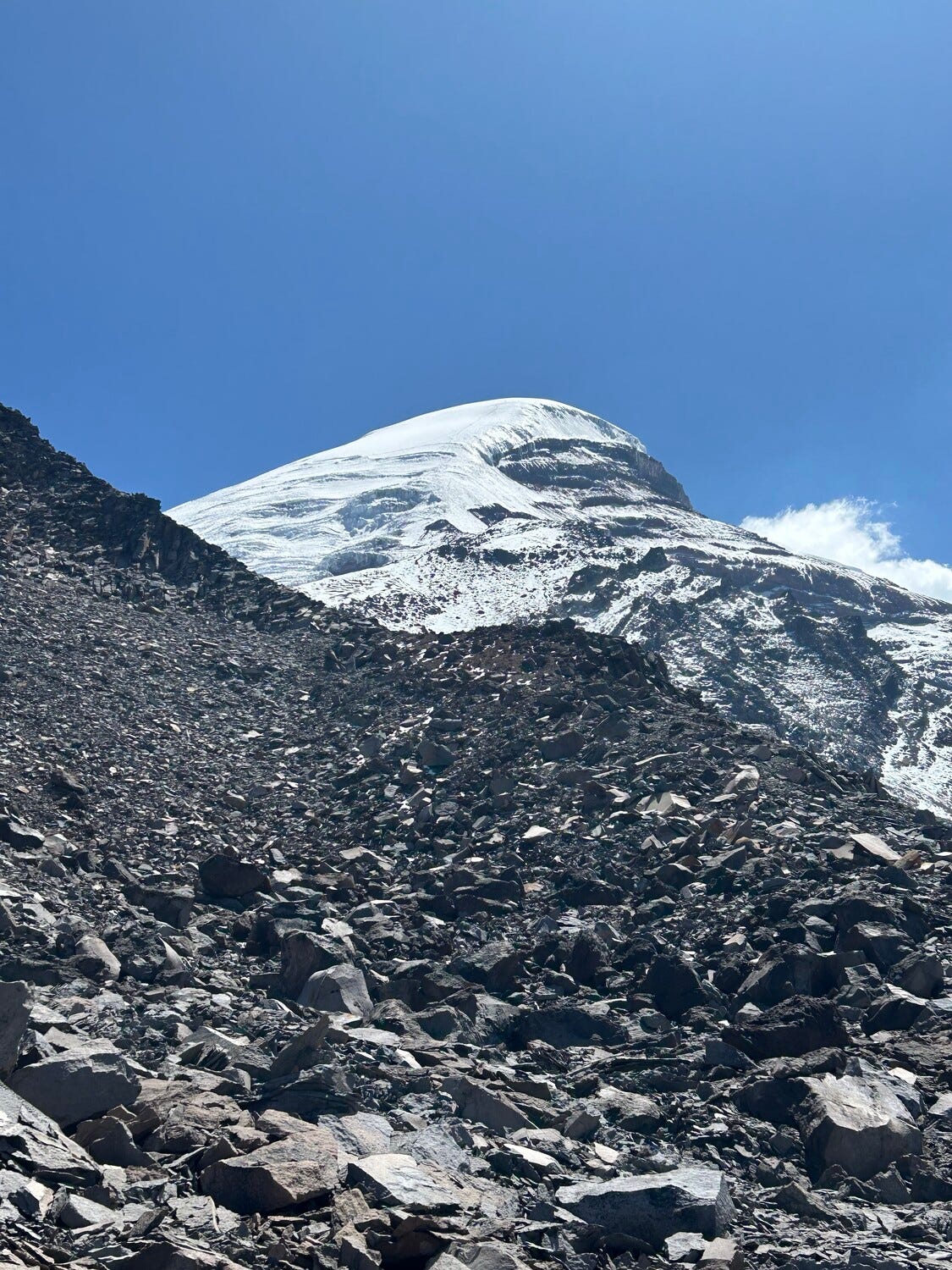
We moved on to our final goal, the mighty ‘Taita’ (father) Chimborazo (6,263m). In von Humboldt’s day (before formal surveys of the Himalayas and Karakoram had begun), Chimborazo was considered to be the highest mountain in the world, and arguably it still is! Much like carbon or biodiversity credits, it’s all about the baseline! Of course, from sea level, Mt Everest is the highest peak in the world, but because of the bulge of the planet around the equator, Chimborazo is highest measured from the centre of the earth.
For the mathematical proof, have a read here: https://www.mathscinotes.com/2015/01/the-farthest-mountaintops-from-the-center-of-the-earth/
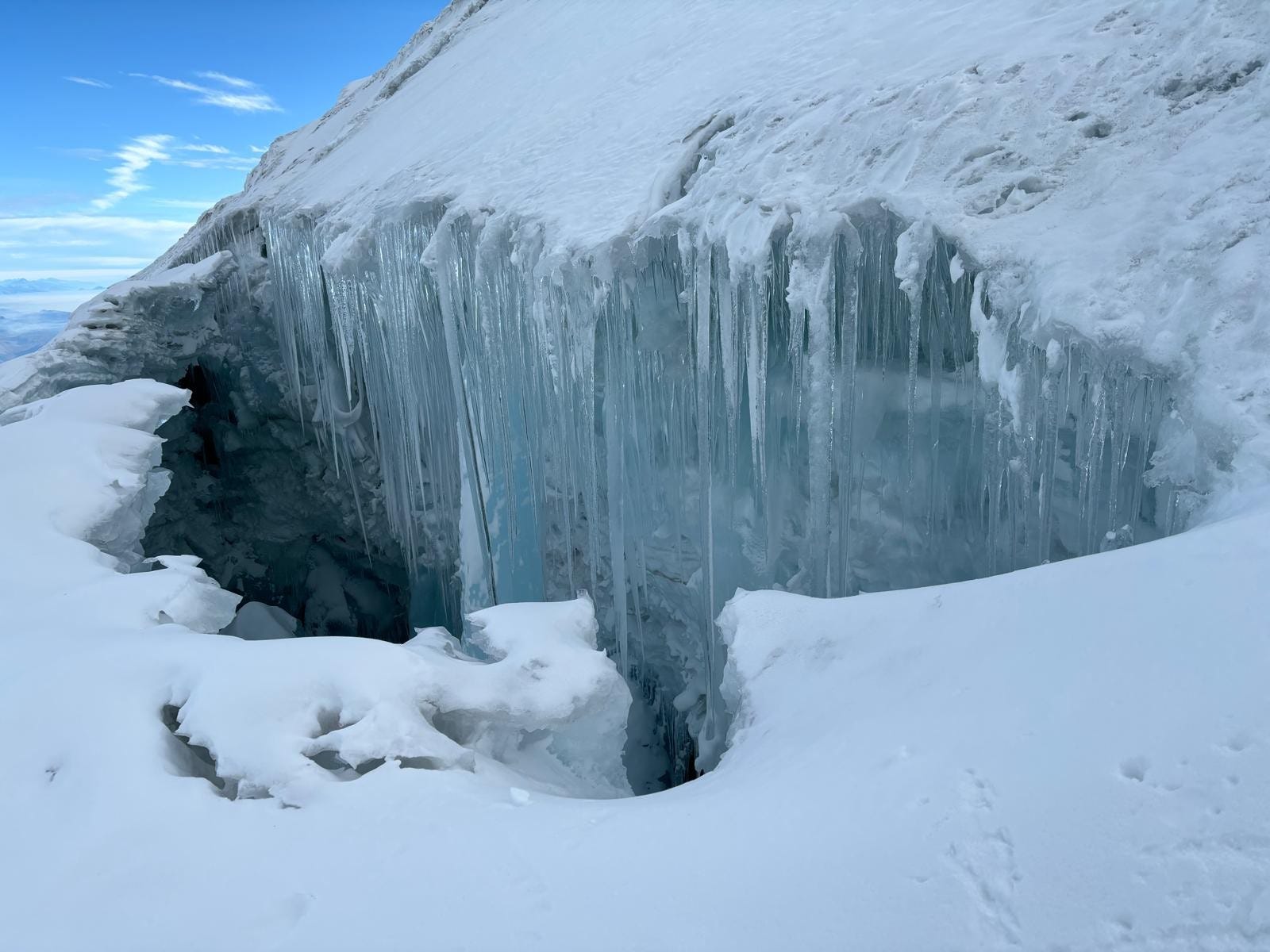
It also means that it’s summit is the closest point to the stars (and 2,168m further from the centre of the earth than Mt Everest). The glacier, although in retreat, still offers some gems, with massive crevasses a risk to unaware climbers.
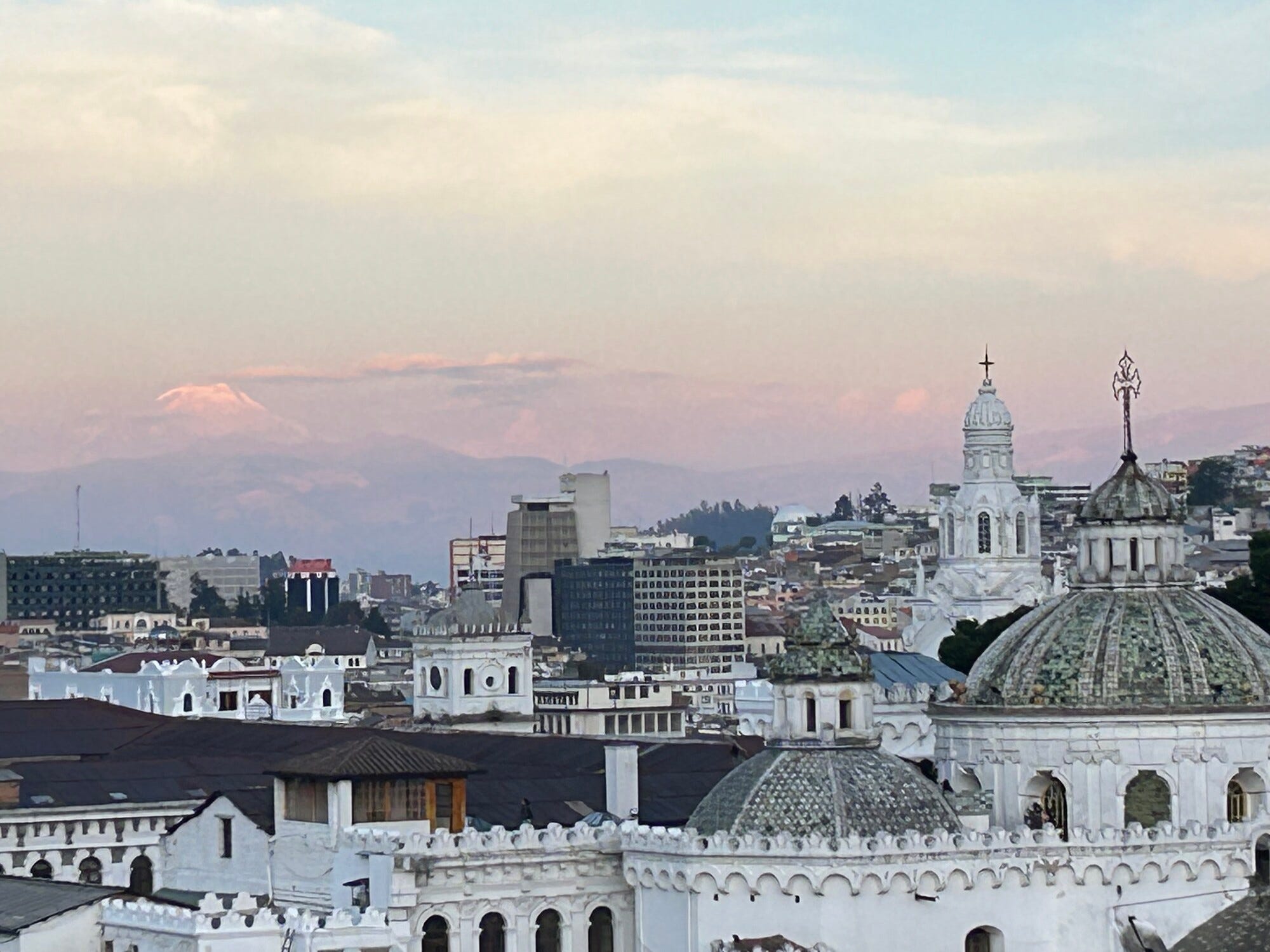
From there we travelled back to the capital Quito, but even there the mountains never really leave you - you can see Cayambe standing tall at 5,790m in the background of this shot taken in the Old Town.
Ecuador is a magical country, and I can now completely understand what inspired von Humboldt. I hope to return one day to have a crack at some more volcanoes.